
三傻大闹宝莱坞
1200 NIT亮度,迷你LED背光:华硕显示Proart PA32UCX_我的网站

一 | 1月14日,据外国媒体Anandtech报道,华硕在2019年的CES上推出了一款全新的旗舰专业展会。Proart PA32UCX显示器具备旗舰产品所需的所有功能,包括4K超高分辨率、DCI-P3和REC支持、1200 nits亮度、2020色空间和Thunderbolt 3连接,但其关键功能是独特的Fald,具有1000个区域。
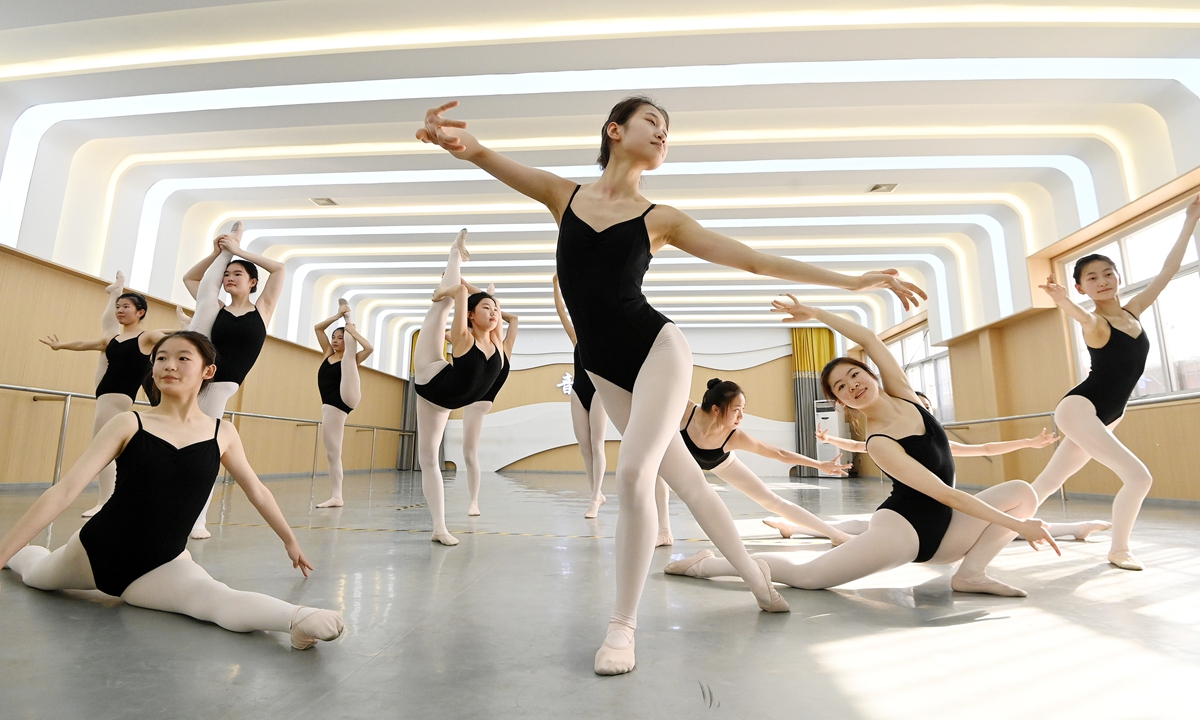
Even during summer break, changes to the admissions policy at the Communication University of China (CUC) have sparked heated discussions among students, with the reform becoming a hot topic on campus and on social media.
Amid heated debate over China's top media and arts school's admission reform, eight majors, including radio and television directing and theater directing, will no longer require separate arts exams and will instead admit students based solely on gaokao (the national college entrance exam) scores starting next year.
China's art college entrance examination, known as yikao, is a special admission pathway for students applying to arts-related majors. Applicants take both the gaokao and professional tests in areas such as fine arts, music, dance, acting, broadcasting and directing. Compared with many other university programs, art majors have traditionally placed less emphasis on gaokao scores and more on candidates' professional abilities and artistic potential.
"As one of China's most influential universities for media education, CUC's reform is seen as having broader implications," Xiong Bingqi, president of the 21st Century Education Research Institute and vice president of the China Association of College Newspapers, told the Global Times.
In his view, future arts admissions are likely to place greater emphasis on students' cultural literacy, professional interests and long-term potential.
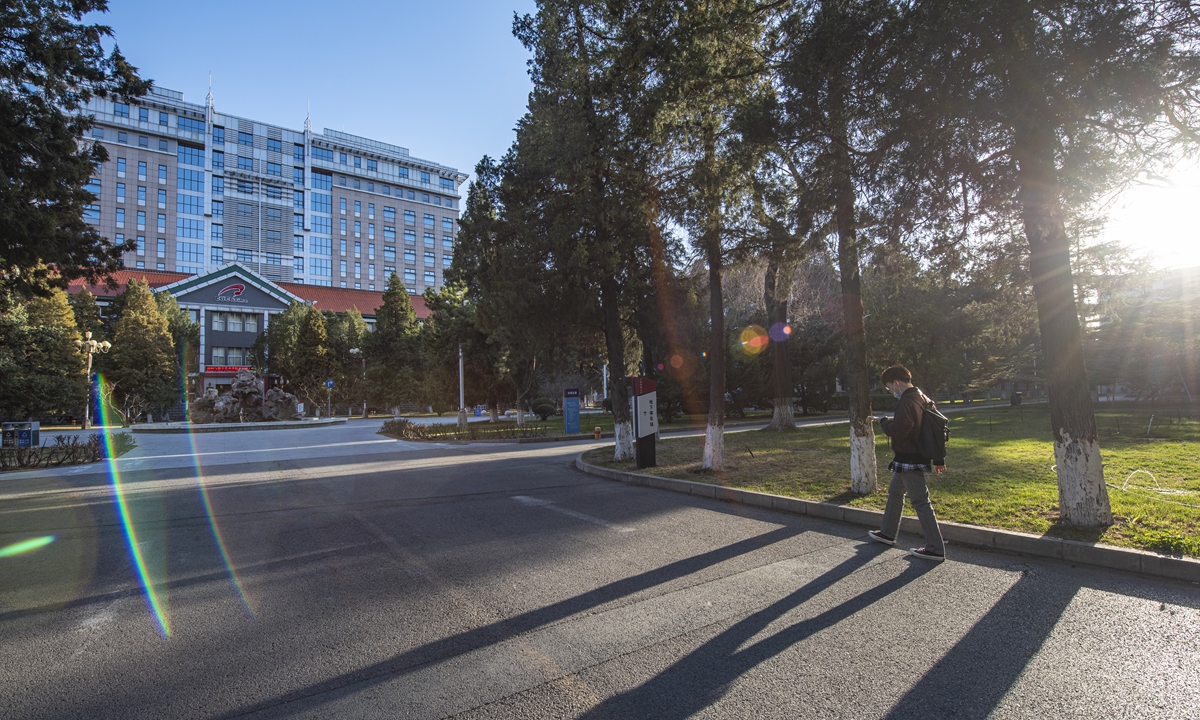
Beyond the 'shortcut'
CUC's move reflects a broader trend among Chinese arts universities. In recent years, institutions such as Nanjing University of the Arts and Henan Academy of Fine Arts have reduced the number of majors requiring school-based exams on their specific art subjects, placing greater emphasis on academic performance and provincial-level arts examinations.
The changes reflect a broader trend in China's arts education admissions system, where universities have increasingly emphasized students' cultural foundation alongside their artistic abilities.
"CUC's latest adjustment reflects a broader trend in arts education reform, with some arts-related majors beginning to admit students based on their gaokao scores rather than separate professional examinations," Xiong told the Global Times.
According to Xiong, one of the key goals of the reform is to address the utilitarian mindset among some students and parents who view arts admissions as a "shortcut to college."
In the past, some arts programs had relatively lower requirements for cultural scores, prompting some students with weaker academic performance to turn to arts exams and enroll in professional training programs during high school. As a result, arts admissions were sometimes seen not as a choice driven by genuine artistic interest or career aspirations, but as an alternative pathway to enter universities.
"The cooling of arts exam fever, to me, is a good thing for arts education and talent cultivation," Xiong said. "By admitting eight majors directly based on cultural scores, CUC is effectively removing the stepping stone of the 'shortcut to college,' allowing more students with genuine artistic interests and professional ambitions to enter these fields."
For students, the reform has directly changed how they prepare for university and make academic choices.
"The changes have created more pathways for students interested in media-related fields," a junior arts management student surnamed Wang at CUC, told the Global Times.
Wang recalled that many students around her began preparing for arts exams as early as their sophomore year of high school and later traveled to cities where their target universities were located for intensive training.
As some media-related majors shift to cultural-score-based admissions, more students who did not take the arts exam but have a genuine interest in the media field may gain opportunities to enter these programs, she said.
Rethinking media talent
Beyond changing how students enter arts majors, the reform has also sparked discussion over how universities should train future media professionals.
A CUC sophomore student surnamed Wei from the School of Theater, Film and Television told the Global Times that one challenge after scrapping arts exams for some majors is how to support students who enter without systematic professional training.
"Students who previously prepared for arts exams often developed basic skills in audiovisual language and practical experience before entering university. Those admitted based on gaokao scores may need stronger professional guidance and more opportunities for practice," Wei said.
In addition to individual student development, the reform has also prompted discussions over what qualities future media professionals should possess. Kai Zhu, a drama education instructor at a leading high school in Beijing, told the Global Times that an overemphasis on exam-oriented training in media arts education had previously led some programs to focus on templates and techniques while neglecting core competencies.
"If media arts become a low-score pathway to university, the professional nature of the field will become blurred, and the industry may face a shortage of well-rounded talent," Kai said. CUC's reform signals a shift toward selecting media talent with both cultural depth and professional skills.
"Creative fields such as screenwriting and filmmaking are not built on technical skills alone; they require an understanding of society, humanity and history," he said.
"Cultural accumulation determines the depth and vision of creative works."
The reform is therefore not merely about changing the way students enter arts programs. Ultimately, it is about what kind of creators media and arts programs hope to nurture: not only those equipped with professional skills, but those who can think deeply, understand society and transform their cultural knowledge into meaningful works, he noted.
Wang Wenpei contributed to this story.
。背光控制区。

二 | ASUS Proart PA32UCX显示器基于10位32英寸IPS面板。它可以复制10.7亿种颜色,分辨率为3840 x 2160,刷新率为60赫兹。

三 | 定制的面板配备了基于微型LED的独特背光,可实现1200 nit峰值亮度、1000区域全阵列局部调光(目前领先的LCD只有384区域fald调光)和0.003-0.001 nit最小亮度。

四 | 华硕表示,Proart Pa32UCX显示器覆盖DCI-P3的97%和Rec.2020彩色空间的89%,用于视频后期制作。此外,它还支持HDR10和混合对数伽马(HLG)HDR格式。同时,Proart Pa32UCX不仅满足要求,而且超过了Vesa DisplayHDR 1000标识的要求。在连接端口中,显示器有一个显示端口,可执行DCI-4K、4:4:4色度子采样、50/60Hz、两个霹雳3端口和HDMI 2.0输入,支持DCI-4K、4:2:2、50/60Hz。华硕计划今年春天正式推出其ProartPa2UCX,但该公司没有具体说明,由于定制了微型LED屏幕,它的成本可能高达数千美元。
Current article:http://30imu.zhouangnaoguangsundianzhenmou.cfd/t78hp4r/1fa.html
Published on:00:29:52
我的网站最近更新
- 智界产品总监称近期重点推进ADS3.3升级 含车主高需求特性
- 河北24项高频海事政务事项下月起将实现全省通办
- Multiple Chinese universities raise gaokao score requirements for arts admissions
- 半价Model 3,撑起4万亿市值特斯拉?
- China striving to ensure good start to 15th Five-Year Plan period: official
- Chinese cities turn to AI forecasts, smart radar networks to combat extreme weather
- 《黑神话:钟馗》最新实机花絮来了!国产顶级工作室助力
- 苹果发布会9月9日召开!iPhone18 Pro/Max来了
- Chinese Embassy rebuts Teodoro’s renewed allegations against released 70 Chinese workers; expert warns selective enforcement harms ties
- 看见雄安丨夏天不用开空调 雨水一滴不浪费 这座游泳馆怎么做到的?
- Chinese FM’s visit to South Korea ends five-year gap, ‘underscores importance of bilateral ties’
- 俄媒:西班牙8月购买俄气同比激增102.2%_俄罗斯电视台_天然气
- 连山区数据局深化综合窗口改革
- DJI vows continued legal action after U.S. court orders to review its 'military company' designation
- 用时 27 年、别克完成第 220 万台 MPV 交付,苏炳添成为新车车主
- 安装智能门锁摄像头范围覆盖邻居家门口,邻居因此起诉,法院:构成隐私权侵害,限期拆除;法官:是否侵权这四点是认定关键
- 国家外汇管理局:2026年二季度我国经常账户顺差13337亿元
- 首先出勤得高!尼昂19-20赛季至24-25赛季共有295胜 同期联盟最高
- 全国儿童预防接种日:你关心的接种问题看这里
- 【观点】申银万国:对二甲苯绝对价格跟随成本宽幅震荡
- 整点开刷!《魔域口袋版》神陨之地激战开启
- 今天是“白海豚”余势影响最后一天 未来七天仍多雨
- 改善人居环境 增强居民幸福感
- 快船vs掘金G2前瞻:哈登小卡力争扳回一城 威少有望再获新帅重用
我的网站热门资讯
- 2025年618活动什么时候买东西最便宜?淘宝京东是6月18日当天购买最便宜还是5月30号晚上20点开门红优惠力度大?
- “五一”假期将至 文旅市场持续升温 各地“花式”拉动消费热情
- 大型主题乐园高客流售检票解决方案:乐满园游乐场运营票务管理系统升级
- 大咖集结石狮!这场大会释出满满“数字干货”
- 预告|直击统一老坛酸菜生产链路,看见舌尖上的透明力量
- 曼城新赛季第三球衣由球迷使用AI设计,经票选后将在明日发布
- China aims for over 100 mln metric tons of coal reserve capacity by 2030
- 현대차, 광주에 자율주행 '아트리아 AI' 투입…2029년 새만금 데이터센터 가동
- 小米三款全新玄戒自研芯片发布!央视新闻:三芯齐发 中国芯片产业再突破
- 激发“甜蜜经济”新动能
- 国产最强芯片!小米玄戒O3已开启规模化量产
- 'US in no position to point fingers': Chinese FM on US claim over Huangyan Dao national nature reserve
- 1J79 1J85 4J29 4J32 4J36 4J42 的供应商?精密合金是什么材质?
- 受台风“梅花”影响 宁波市各中小学、幼儿园9月14日停课1天_刘欣莹_经市
- 生意社2026年8月26日炼焦煤行情观点:强势整理(偏多)
- 四十六年的笔尖修行:逗万Dareworks与一家文具定制提供商的长期主义
- Taylor Swift & Travis Kelce’s moms take charge of the couple's three-day Rhode Island wedding
- 研究发现即使是少量的运动也能极大地增加大脑的体积
- “同心圆”下的青春之约——“好年华 聚福州”第六届人才大会侧记
- 被选为共和党全国代表大会代表,特朗普小儿子拒绝担任
- 殷玉珍和“赛考斯” 跨越20多年的“绿色之约”
- 宫崎英高终于回归做单人游戏了!玩家却不买账
- 福州戍守台湾将士墓群修缮保护活化利用纪实
- 多地景区实施门票“免减优”政策 多元化经营模式开辟营收“新赛道”